Shabab Al-Sahel: Between the Shock of Reality and the Potential for Change—An Analysis of Recent Developments
بقلم: خالد التشادي
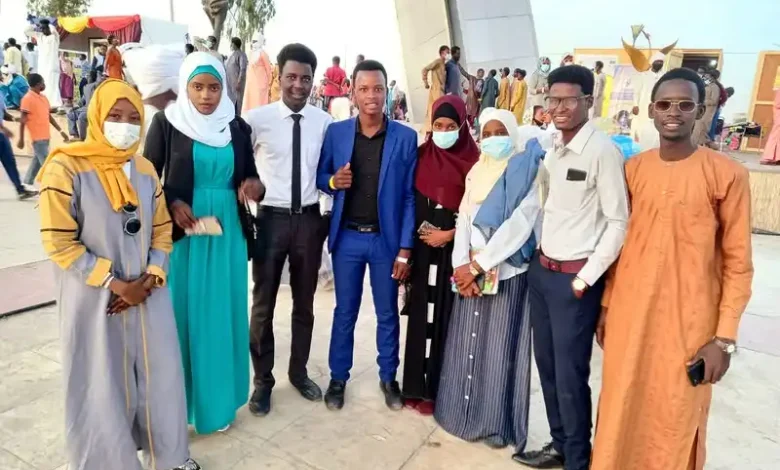
Youth in the Sahel: Navigating Crises Toward Opportunities for Empowerment
Amid escalating security and humanitarian crises across the African Sahel region, millions of young people face acute challenges ranging from poverty and lack of access to education to spiraling violence. Against this difficult backdrop, international initiatives are intensifying to provide support by enhancing educational opportunities, creating sustainable jobs, and empowering adolescent girls—striving to build a generation capable of facing the future with confidence.
Key Challenges Facing Sahelian Youth
1. The Education Crisis and Skill Deficits
The Sahel is experiencing one of the world’s most severe education crises. According to the World Bank, 40% of primary-school-age children are out of school, and more than 11,000 schools have been closed due to armed conflicts. Furthermore, 90% of children cannot read a simple sentence by the end of primary school, severely constraining their future labor market opportunities.
2. Violence and Forced Recruitment
UNICEF reported a 70% increase in violent acts against children in the Central Sahel during the final quarter of 2023, including child recruitment into armed groups, killings, and mutilations. Cases of recruitment and killings surged by 130% across Burkina Faso, Mali, and Niger.
3. Poverty, Unemployment, and Marginalization
Young people in the Sahel confront elevated rates of poverty and unemployment, driving some toward irregular migration or joining extremist groups. Studies demonstrate that climate change impacts—such as droughts and land degradation—exacerbate community vulnerabilities and are systematically exploited as tools for youth recruitment by extremist factions.
International Initiatives and Responses
1. Adolescent Girls’ Resilience Building Program
UNICEF launched a targeted program across Mali, Mauritania, and Niger to improve adolescent girls’ access to essential social services and enhance their capacity to adapt to crises. The initiative focuses on empowering girls through education, healthcare, and psychosocial support.
2. Youth Employment Generation in Agriculture
The Food and Agriculture Organization (FAO) implemented a project in Mauritania and other Sahelian nations to create employment opportunities for youth within the agricultural sector, focusing on green and sustainable jobs. The project benefited over 200 young individuals through short-term employment schemes and supported 390 youth-led enterprises through long-term programs.
3. Generation Unlimited Sahel Initiative
This initiative aims to connect over 100 million young people across the Sahel with education, training, and employment opportunities within the digital and green economies. It focuses on integrating youth into decision-making processes and fostering a supportive ecosystem for entrepreneurship and innovation.
Potential Recommendations for the Investigation
Greater Support for Education and Training Opportunities: Strengthen educational programs in conflict-affected regions—particularly in STEM fields—to enable young people to compete in the global market.
Job Creation: Support youth-led small and medium enterprises (SMEs) in agriculture and green industries to revitalize the regional economic landscape.
Countering Forced Recruitment: Prioritize youth rehabilitation and provide structured psychosocial support programs for formerly forcibly recruited youth who have escaped armed groups.
Conclusion
Youth across the Sahel confront compounding challenges spanning education, violence, poverty, and climate change. Nevertheless, international momentum is growing to support them through educational initiatives, employment creation, and female empowerment. Achieving sustainable outcomes requires scaling investments in quality education and vocational training, alongside securing a stable environment that enables young people to realize their full potential and drive the development of their communities.